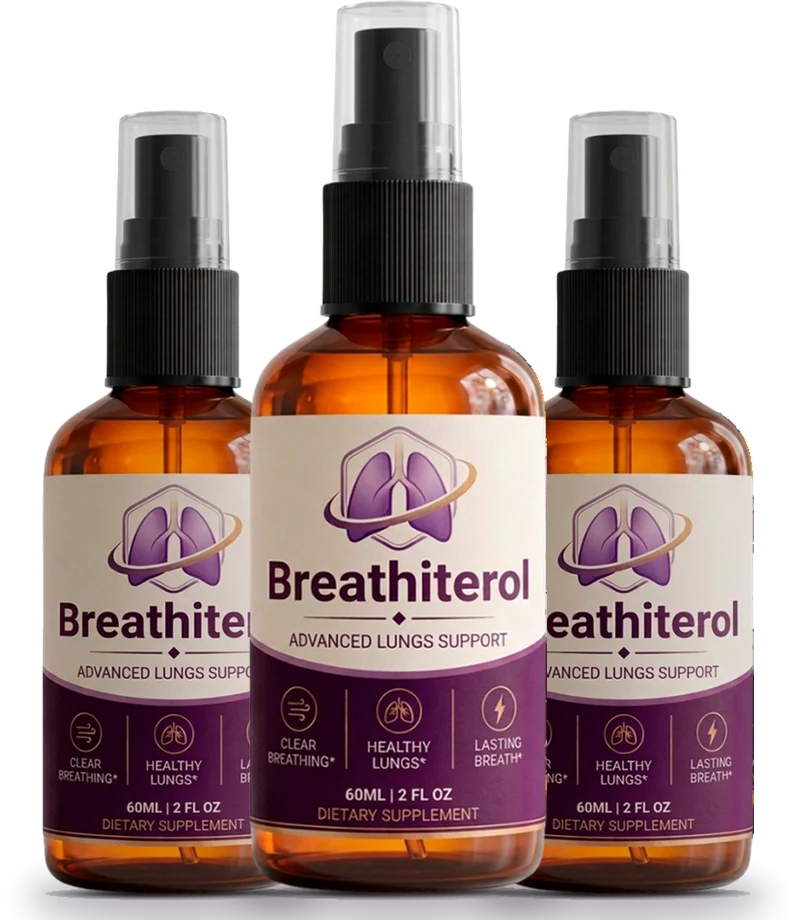
Most of us breathe thousands of times a day without a single thought. Pausing to pay attention, even briefly, can feel like pressing a reset button. Breathing exercises need no equipment, take only a minute or two and can happen almost anywhere. This guide shares easy methods for building a calm daily pause, with tips for making them stick. It also explains how a tidy supplement habit, such as a daily Breathiterol spray, can serve as a handy cue to remind you to stop and breathe.
Why a short pause is worth protecting
Modern days arrive in a rush: messages, meetings, errands and a long list of small obligations. A deliberate pause gives your attention somewhere to land. It is a few moments that belong to you.
Think of it as a mental stretch. You would not skip stretching after sitting for hours, and your attention deserves similar care. Even sixty seconds of slow, steady breathing can change how the next hour feels.
Many adults also find that pausing makes them kinder to themselves. When the breath slows, the inner commentary often slows with it, and small frustrations lose some of their grip. That is a worthwhile return for a minute of your time.
Choose a spot you can reuse: the edge of your bed, a favorite chair, a bench outside the office. A familiar place becomes a cue by itself, and your body learns to relax as soon as you sit down.
Method one: the even count
Sit comfortably with your back supported. Breathe in through your nose for a count of four, then breathe out through your nose or mouth for a count of four. Repeat for about a minute.
The even rhythm gives your mind a simple job to do. If your thoughts wander, which they will, gently return to the count without any judgment. Returning is the practice.
Method two: the longer exhale
For a more settling feel, try breathing in for four counts and out for six. Many people find the extended exhale especially calming, because it encourages the body to slow down.
Let your shoulders soften as you breathe out and relax your jaw. This version works nicely before a meeting, after a long drive or at the end of the workday. General relaxation resources are available from the National Center for Complementary and Integrative Health.
- Keep the breath quiet and easy, never forced.
- Rest one hand on your belly to feel it rise and fall.
- Stop and return to normal breathing if you feel lightheaded.
Method three: the box pattern
Picture a square. Breathe in for four counts, hold gently for four, breathe out for four and hold gently for four. Each side of the box is one stage of the breath.
This pattern is popular with adults who like structure because the counting keeps the mind busy. Begin with three or four rounds and build up slowly. Keep the holds soft rather than tight.
Add a quiet counter to the top of your phone screen or a small card on your desk that reads simply breathe. Visual reminders are gentle and cost nothing. Some adults like to link each round of box breathing to a recurring event such as a calendar alert, which turns a busy meeting schedule into a series of tiny resets.
Turn the pause into a habit
Exercises only help when you remember them, so use cues. Pair your pause with something you already do: pouring a morning coffee, locking the car or brushing your teeth. Each cue becomes a tiny reminder.
A daily wellness step can work as one of those cues. Breathiterol is a botanical oral spray featuring mullein leaf extract, ginger root extract and organic lemon extract, designed to support everyday breathing comfort. Use it according to the label directions, then take your calm pause right after. The how it works guide explains the format in more detail.
If that sounds like a routine you would enjoy, you can order Breathiterol today, backed by a 60-day money-back guarantee.
The Mayo Clinic healthy lifestyle pages also share general stress-management ideas you can combine with your breathing practice, including movement, rest and time with friends.
Keep it gentle and enjoyable
Breathing practice should feel pleasant. If a pattern feels awkward, shorten the counts or switch methods. There is no perfect version, only the one you will actually use.
Over time, you may find yourself pausing without prompting, noticing a tight shoulder or a rushed breath and softening it. That awareness is the real payoff. To pair your pauses with other calming habits, you might also enjoy stress habits for a calm, focused day.
Finally, celebrate the small wins. Each pause you take is a vote for the kind of day you want. A calm minute at ten, another at three and a longer one at bedtime can quietly change how the whole day reads.